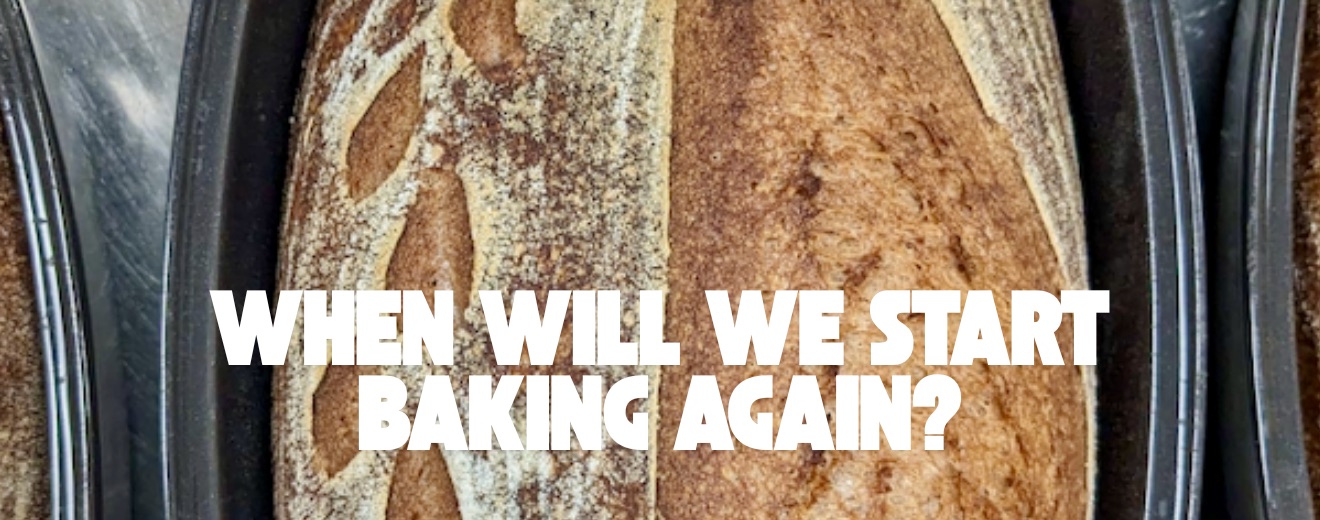
When will we start baking again?
The baked goods you love can come back as part of something bigger.
| |||||||||||||
| |||||||||||||
| |||||||||||||
| |||||||||||||
| |||||||||||||
I've learned that bringing the bakery back as part of something bigger will take a small communityThe kitchen has been on pause, and I haven't communicated much. Thank you for your understanding of my need to reflect, recuperate and re-strategize. Once I got off the adrenaline-fueled hamster wheel, I realized my body had already been telling me that the way I was working wasn't sustainable. After a few months taking care of my health, I'm feeling better, and I'm also feeling wiser. What worked: Loca Vivant Kitchen showed that something that doesn't exist right now is possible: fresh, healthy, high-quality gluten-free baked goods with no compromises, at a fair price, and a living wage for the baker. What it took: The bakery was also an experiment. The living wage depended on a lot of my own unpaid labor. I was operating the bakery as if it were part of a broader prepared foods business, benefitting from the synergies a larger system would create. What I know now: Early on, I thought I could plan the prepared foods service well enough that all I'd need to ask of you was to become a membership client. What I've learned is that, leading this on my own, I can't build it to that point: the work, the skill set, and the risk are too much for one person. What's needed is a small community of people who want something like what I describe below enough to contribute some effort or resources. Mostly that means catalytic energy to help power the launch, plus a few special people ready to make a longer-term commitment to a different way of doing food, and of doing business, in our community. | |||||||||||||
I want good food to be possible for all of us, in an economy where what we spend builds wealth in our communityI want food that's good in every sense: highly nutritious, highly delicious, tailored to our households' needs, local, and taking care of everyone and everything that touches it. Some of those qualities are available today to people who can afford a personal chef to plan their meals, shop at the farmers market, and cook in their homes. Is there a way to make food like that possible for the rest of us? I think there is. Right now, we each make our food decisions on our own, limited to the options in front of us. Together, we can pool our demand and resources in a new type of "buying club," one that makes it easier to get the things we already love, and creates new options that don't yet exist. Think of it as access to a menu of meal components built from what's in season locally, where each household customizes its own order: add or leave out ingredients, choose different cooking methods, and select from a wide range of sauces, herbs and spices. Alongside that, chefs offer frequently updated dishes of their own, with less room to customize but more novelty and creativity: a chance to taste a chef's take on the best of the season. What it will take is enough of us – a community – who want to make it happen. The club can also give us a fair price and a level of transparency we can't get anywhere else. Each item shows what's in it, where the ingredients came from, and how its price is built (the ingredients, the kitchen, and fair pay for the people who make and transport it). And because we commit to buying over time, we can ditch disposables and respect the ecosystem we depend on. This kind of collaborative buying is what I've been working toward all along. Back in 2019, I took on co-ownership of Goleta Coffee for a chance to use the kitchen during off-hours to launch a prepped local veggie service. When COVID happened within the first few months, that service had to move to the back burner, and I ended up focusing on gluten-free baked goods and locally sourced prepared foods for the coffee shop. I've never approached this work mainly as a business pursuit. My motivation has always been to help create the kinds of systems and relationships that make a different kind of economy possible: one where a community that cares about food and about each other can pool our buying power, and where the people who make the quality things we enjoy can use the value of their work to build their own wealth and financial stability. | |||||||||||||
| |||||||||||||
One or two weekly pickups could bring together our GF kitchen, other kitchens, and other local businesses you loveGetting good food to people takes ordering, pickup spots, and reusable containers. Those are expensive to build for one business, and they're exactly the kinds of things many local businesses could share. So my thinking has grown out in ripples, to a network of local producers and service providers (chefs, farms and local businesses, plus the people who handle ordering, logistics and pickup) who work together to serve the club. What I wish for, and am willing to work toward, looks something like this:
| |||||||||||||
| |||||||||||||
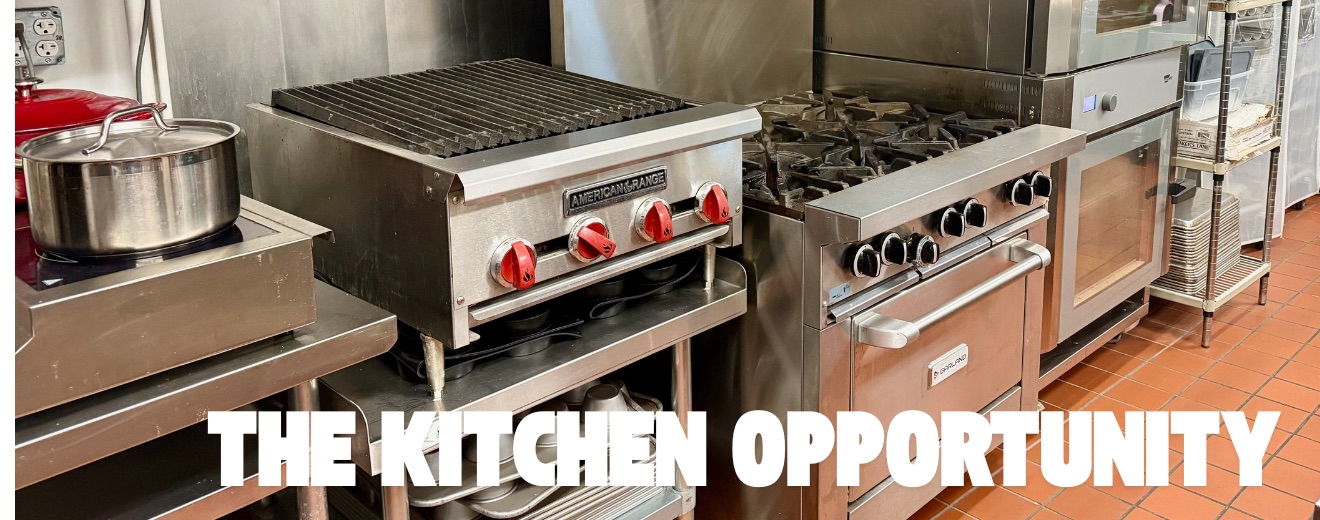
Having the kitchen right now gives us a window to create something newRight now, I have access to a commercial kitchen, and that means a window is open through this spring. We could use this opportunity to create a new kind of product: prepared foods and baked goods customized to our households, made by chefs working together. That's the shared personal chef service some of you heard about at my info meetings. A club can only buy what someone makes, so the first step would be finding experienced chefs and bakers, and a few experienced people in supporting roles like operations and logistics, who want to build this with us. They'd bring their own expertise, and a paid six-month apprenticeship would be where they learn to run their part of the business as co-owners. I'll share more about that in my next message. I'm speaking now to those of you who would like to help activate possibilities like this for our community. We can keep building a network of local producers and service providers to serve a buying club with or without a commercial kitchen, and I'll keep putting effort into it either way. But we have an opportunity: if we move quickly, while we have the kitchen, a new way to get the prepared foods and baked goods we love, made to work for us, can be part of that network from the start. Or we can take our time, and build toward it more gradually, after this window with the kitchen has closed. | |||||||||||||
The bakery could be back for the holidays, and the full apprenticeship could start by the end of January
| |||||||||||||
| |||||||||||||
This fall, we'll decide together whether and how to build thisI'm opening this door, and I'm excited to see who walks in. Is there a community here for this different way of doing food, and of doing local business? This fall, I'll host a few community meetings where we can explore that together, share our own ideas, and decide whether to build this, and how: who else would be interested, how the club is organized and governed, which producers and pickup spots we approach first, and what containers we use. | |||||||||||||
| |||||||||||||
|
In my next message, I'll share what I anticipate it will take to get started, and a way to let us know you'd like to join the club as a member, even if you don't have time to help start it. If any part of this speaks to something you care about, I hope you'll join in, not to help me, but to build something together for our community. Thank you for the support you've given over the years that has brought the project to this exciting decision point. I am excited for whatever is next! In community, | |||||||||||||
Learn More about our Food System Work | |||||||||||||
|